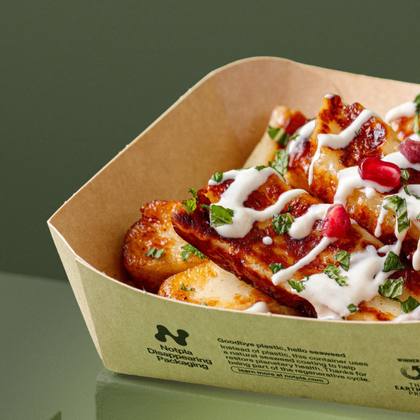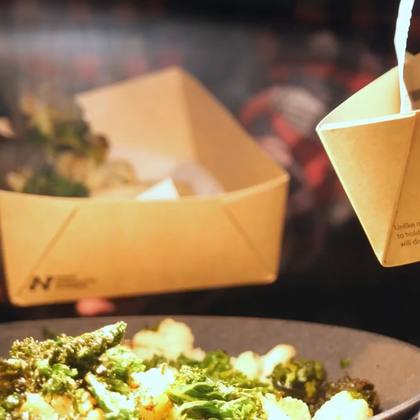


An introduction to Notpla

Goodbye plastic, hello seaweed.

We make plastic-free coatings and packaging from seaweed and plants, on the way to replacing 10 billion single-use plastic items by 2032.1

01 · Seaweed

Farmed at sea

Grows fast with no fertiliser or freshwater.

Scroll to fold
01 · Problem

Plastic's big problem

Single-use plastic is cheap to buy. Waste systems, the climate and human health carry the rest of the bill.

In our blood

Know your number

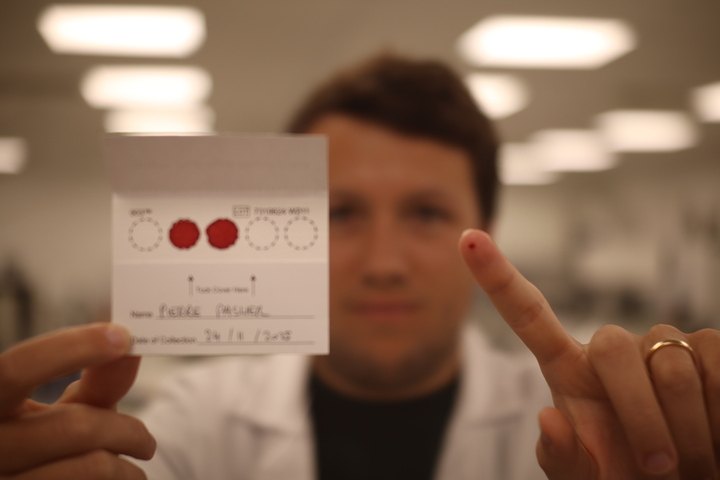
A finger-prick test now counts the plastic particles in your blood. Pierre took one in November 2025. Most people have never seen theirs.

Pierre Paslier holds up his blood test card, two red blood spots under his name
Pierre Paslier · London · 24 Nov 2025
Microplastic blood test, reported December 202534
100,000plastic particles estimated in Pierre's blood: 20 per ml, across about 5 litres

Pierre has spent ten years keeping plastic away from his food. His blood still carries an estimated 100,000 particles. That still counts as low: 73% of the lab's tests find more. A colleague tested in the same lab that week at ten times his level. Almost nobody knows their number. Everyone should.

Get your blood tested →Home finger-prick kits are for information and research, not diagnosis.37
Regulation

Plastic's free ride is over

Governments in Europe and the US now put a price on plastic packaging. Nine of these measures are already in force, and the bills rise from here.

EPR fees are now shaping packaging choices

UK packaging EPR fees per year. Pick the box being replaced and the scale.1011

Notpla coatingSeaweed on boardGreen bandPlastic-freePFAS-free
340 t
£0saved over three years

Illustrative. PackUK's Year 2 (2026/27) illustrative fees per tonne: paper and board green £190 for Notpla, fibre-based composite red £630 for PE and PLA linings, other materials red £270 for bagasse. The red multiplier then rises to 1.6x and 2.0x the amber fee by 2028/29, with base fees held flat. *Dispersion-coated board is assessed green today. From 2027/28 we assume it moves to amber (fibre-based composite, £525/t) as our awareness campaign shows its barrier is a plastic. That is our assumption, not PackUK policy. Same tonnage on both sides. Milestone tonnages are Notpla estimates.1011

Problem01
02 · Solution

A world without single-use plastic, where materials come from nature and return to it.

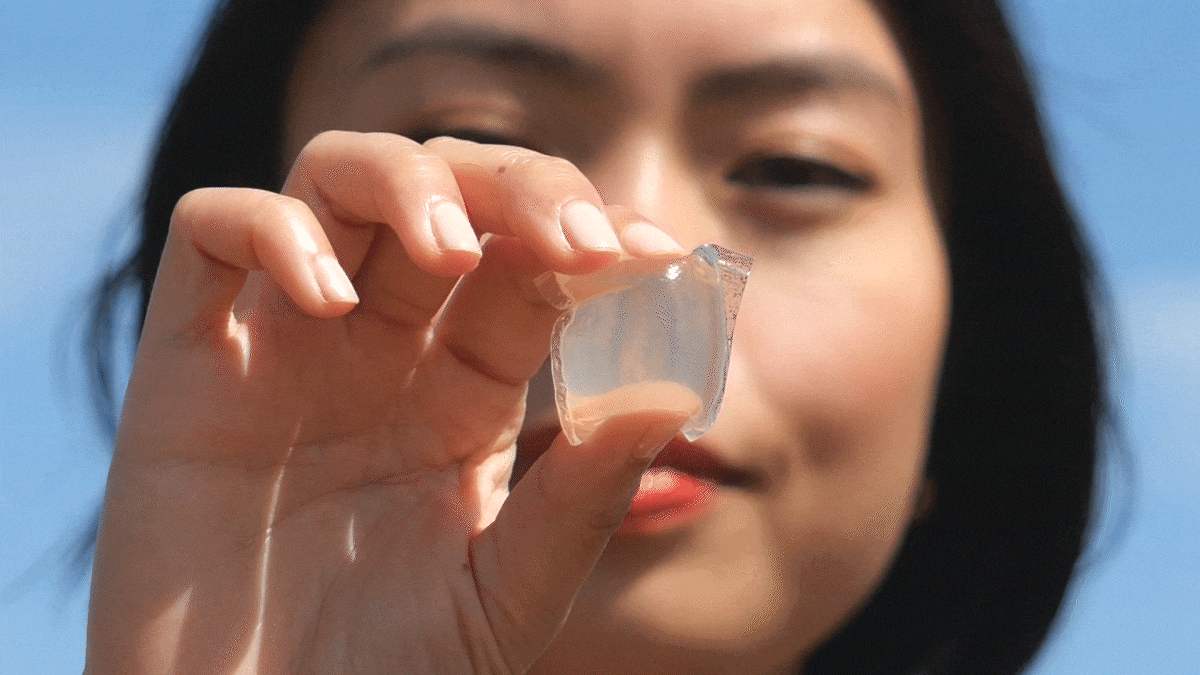
Ooho · materials you can eat
Pellets Deep Dive Soon
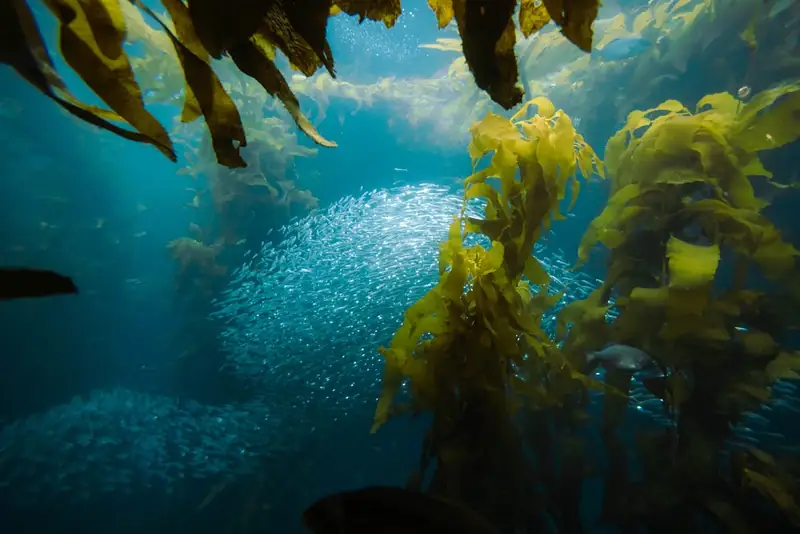
Sunlight Up to 60 cm a day Farmed and harvested at sea
Feedstock

Powered by seaweed

Seaweed is one of the fastest-growing organisms on the planet, and the world already farms millions of tonnes of it a year. Our scientists combine it with plant extracts so the materials meet packaging performance requirements and run at scale on existing equipment.1

60 cmA day, giant kelp in ideal conditions57
37.8m tAlgae farmed and harvested in 202258
0.00 mmGrown by a giant kelp since you opened this page

It also supports coastal communities, with income, stability and opportunity for farmers worldwide.1

What a land crop needs, against what seaweed needs

A land crop needs
Seaweed needs
  1. FreshwaterIrrigation, in a world short of water0 L
  2. FertiliserSynthetic nitrogen, phosphorus and potash0 kg
  3. LandArable land that could grow food0 ha
  4. PesticideSprayed through the season0

A portfolio of naturally disappearing packaging

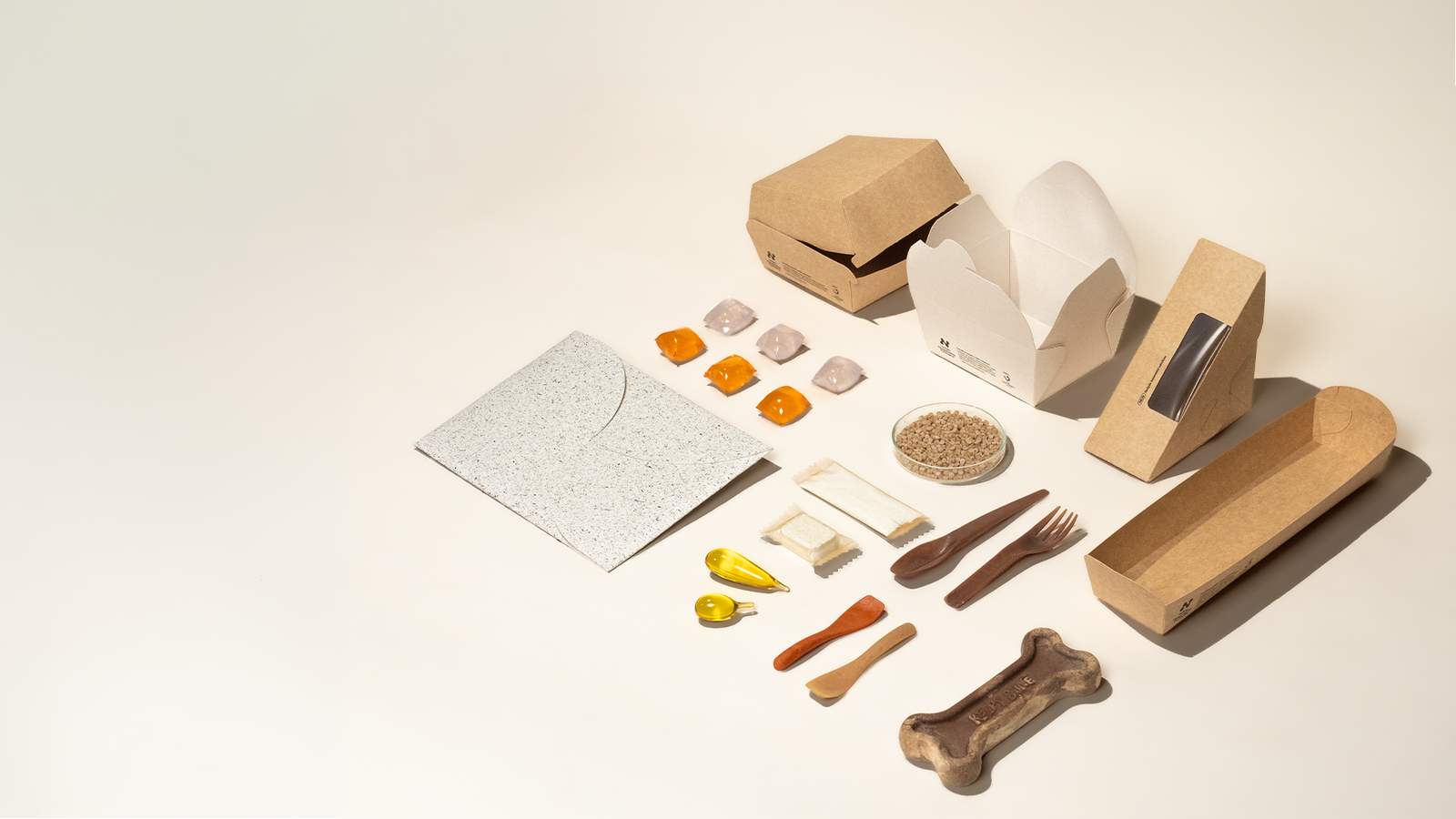
One family of seaweed-based materials, from coated boxes to edible capsules and mouldable pellets. Tap a marker to explore.

Plastic-free Naturally compostable
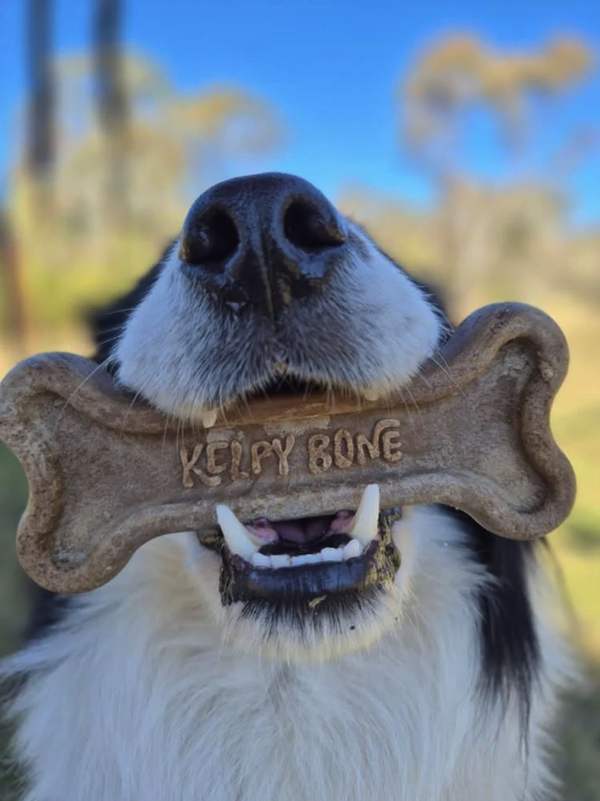
Notpla's product range laid out: coated boxes and trays, Ooho capsules, pellets, cutlery and a moulded dog bone
Range

Tap a marker

Each marker opens one product family.

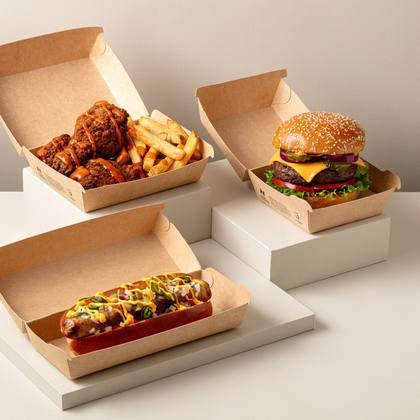
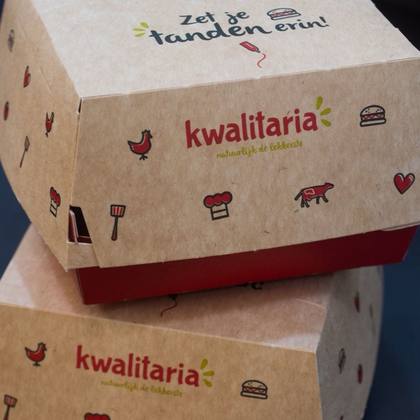
Burger and fries boxes
Kwalitaria, the Netherlands
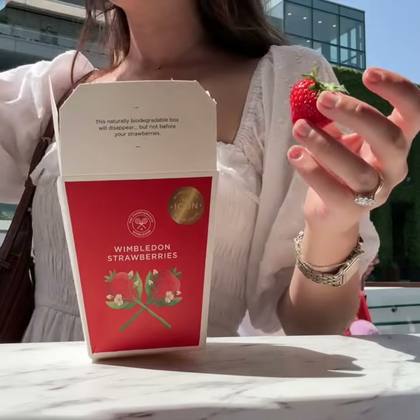
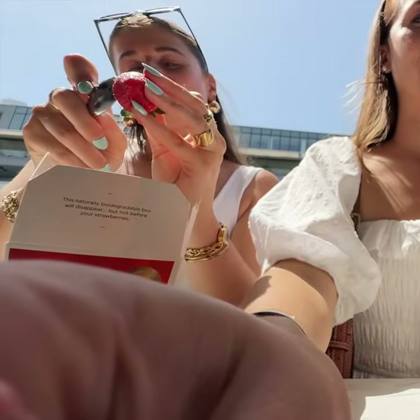
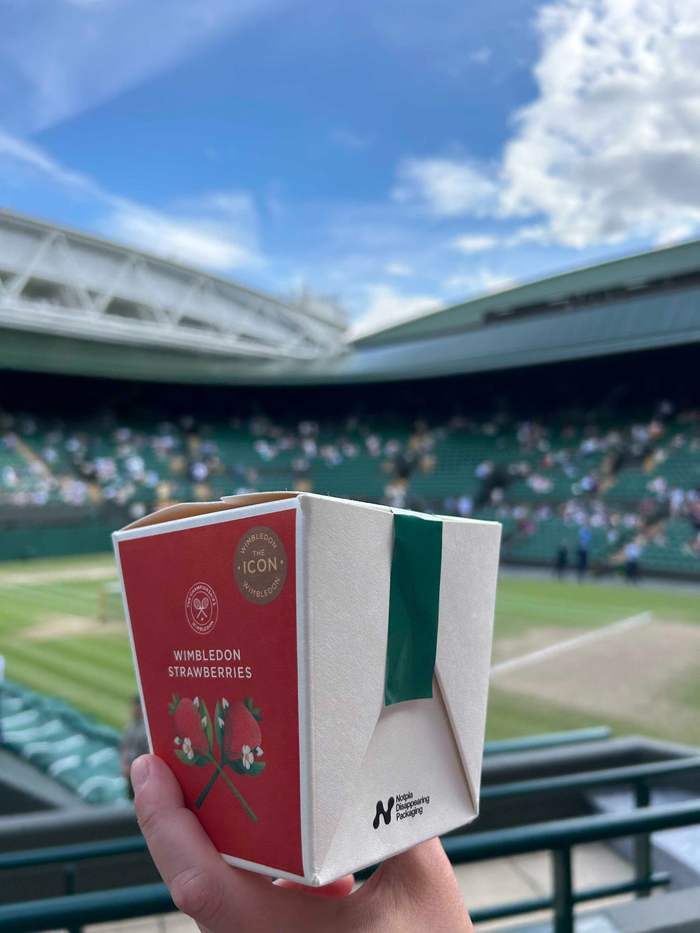
Wimbledon strawberries
Hot food tray
Hot food tray
Trays at an event
Trays at an event
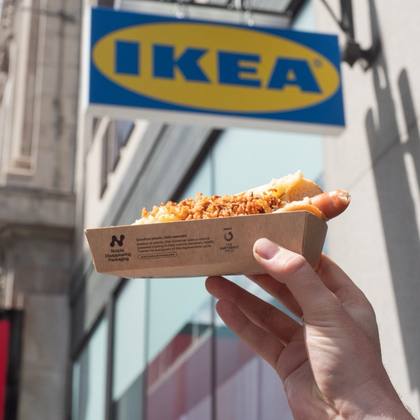
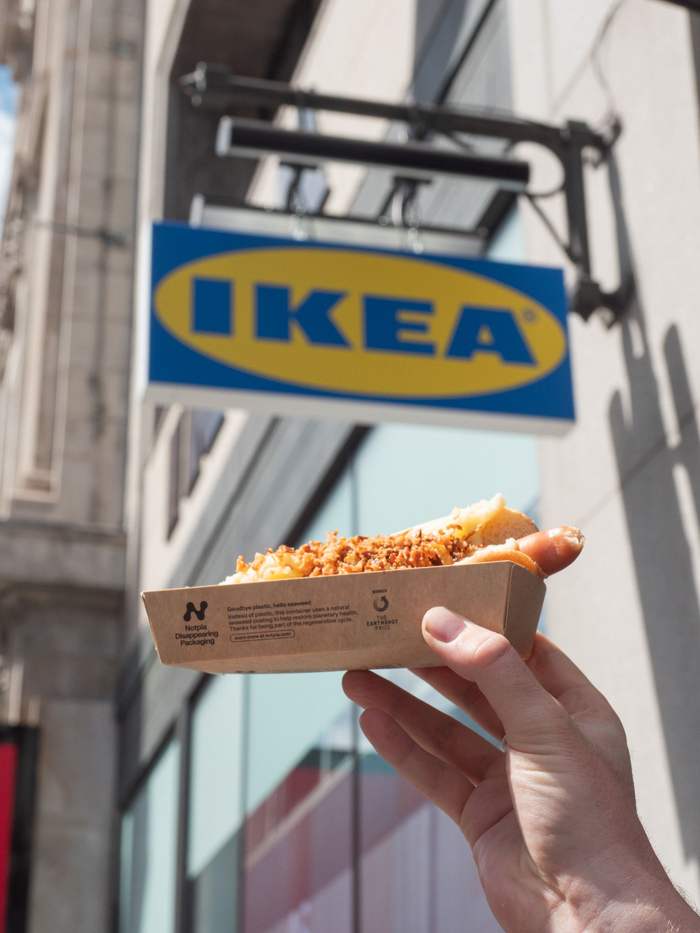
Hot dog tray, IKEA
Hot dog tray, IKEA
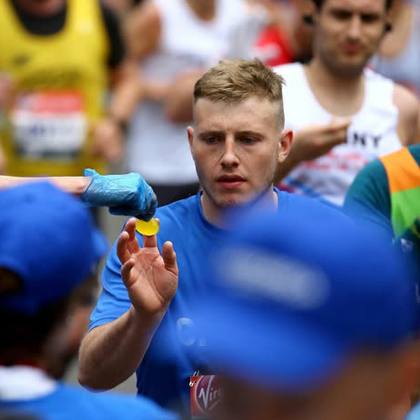
London Marathon
London Marathon
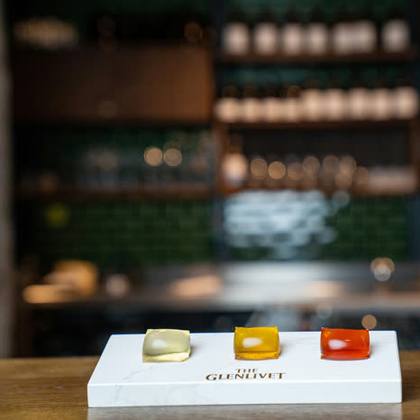
The Glenlivet capsules
Edible, seaweed skin
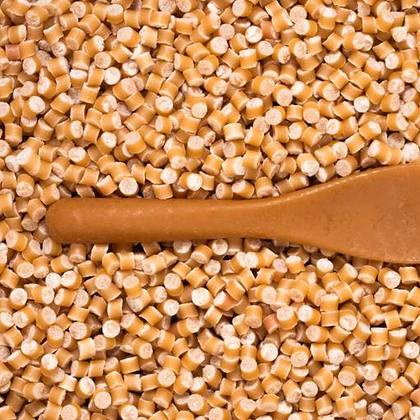
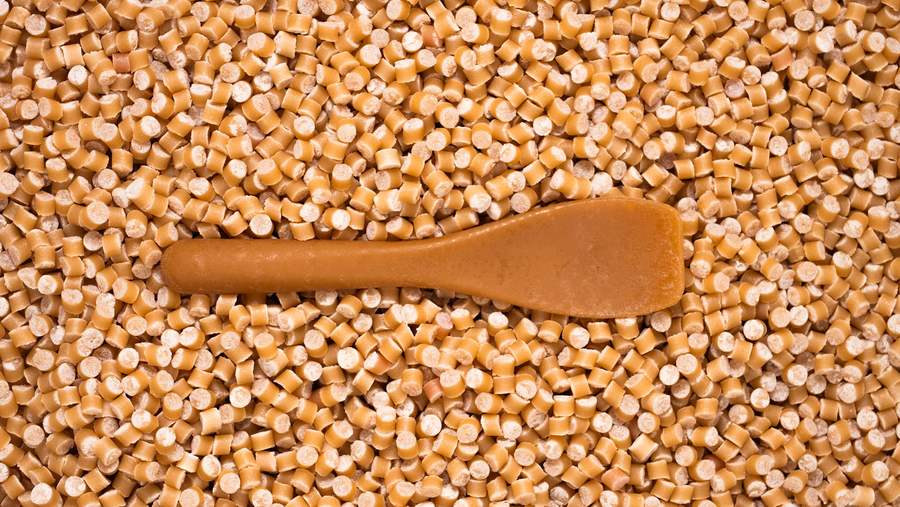
Pellets and a moulded spoon
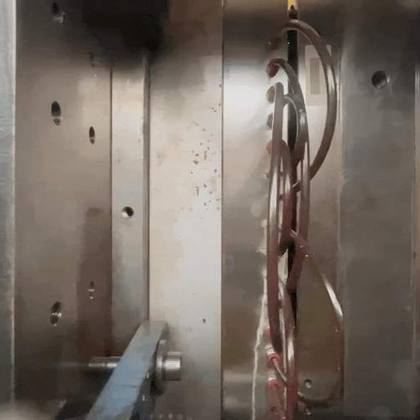
Moulded on standard machines
Seaweed spoons, Wimbledon
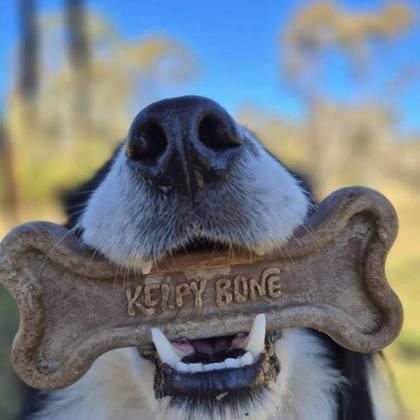
A moulded dog bone
A moulded dog bone
Why coatings

The packaging industry's dirty secret: paper coatings

To keep grease and water in, most takeaway boxes are lined with plastic or treated with PFAS, the "forever chemicals". In the EU, PFAS in food-contact packaging are restricted from August 2026.15

Plastic (PE) lining PFAS additives Styrene-based latex
Uncoated boardNotpla coating
Hour 0

Oil meets board

Uncoated board on the left, Notpla-coated board on the right.

Technical data sheet · Issued 10.2026

Notpla Coating™52

Seaweed-based barrier coating for paper and board, made from natural polymers that are not chemically modified.

Application
Industry-standard coating equipment
Supply
1,000 t converted in 2025, UK and EU
Notpla Coating™Seaweed natural polymersPaperboardFrom our mill partners
24h+
Oil and grease resistanceISO 16532-1
90°C
Maximum service temperatureHot food, warming cabinets
0%
Plastic contentEU SUP Directive assessment
−79%
CO₂e, up toFoodsteps analysis
1 · Typical properties
PropertyValueUnitMethod
Oil and grease resistance≥ 24hISO 16532-1
Maximum service temperature90°CHot food, warming cabinets
Plastic content0%EU SUP Directive assessment
CO₂e vs plastic packagingup to −79%Foodsteps analysis
PFASNone addedFormulation
OvenableYesBFR36vii
Food contact, EUApprovedBFR36
Food contact, USApprovedFDA
RecyclabilityPaper streamEN 13430
CompostabilityIndustrial, homeEN 13432 · BPI · DIN CERTCO
Fibre sourcingCertifiedFSC
2 · Certification and approvals
Plastic-free

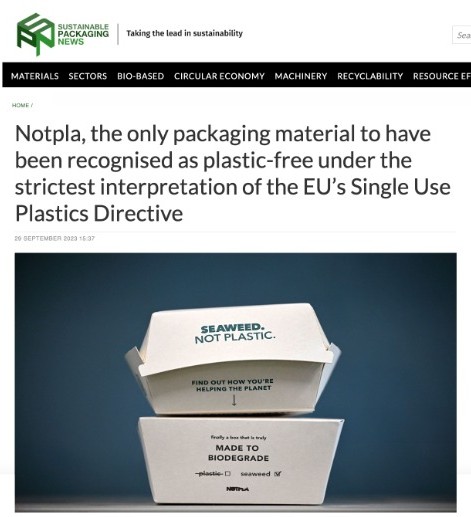
In 2023 the Dutch environment inspectorate (ILT) assessed Notpla's seaweed coating as plastic-free under the EU Single-Use Plastics Directive. It was the first material to pass.13

Sustainable Packaging News, 28 September 2023: Notpla, the only packaging material to have been recognised as plastic-free under the strictest interpretation of the EU's Single Use Plastics DirectiveWhat counts as plastic? ↻

After rigorous testing of thousands of materials, only one emerged as truly plastic-free13Without the *

    Notpla
    Solution02
    03 · Traction

    Replacing plastic at scale, year after year

    Single-use plastic items replaced each year since 2016.1

    Replaced since 2016
    0.0munits
    • 2016 to 2020: 300,000
    • 2021: 570,000
    • 2022: 2.3 million
    • 2023: 4.4 million
    • 2024: 11.6 million
    • 2025: 16.1 million
    • 2026 so far: 25 million, already more than all of 2025
    A Notpla hot dog tray held up in front of an IKEA sign
    A Notpla strawberries box held up on Centre Court at Wimbledon
    Trusted by hero brands

    IKEA, Wimbledon and Just Eat

    2xyear-on-year growth in UK foodservice, our core market1
    Price premiumAll of it achieved with folded boxes only, sold at a price premium.1
    Ingredient brand

    The Gore-Tex of sustainable packaging

    The coating is invisible on the box. The mark is how a customer knows it is there, the way a fabric technology names itself on a jacket label.

    Tap the tag to turn it over
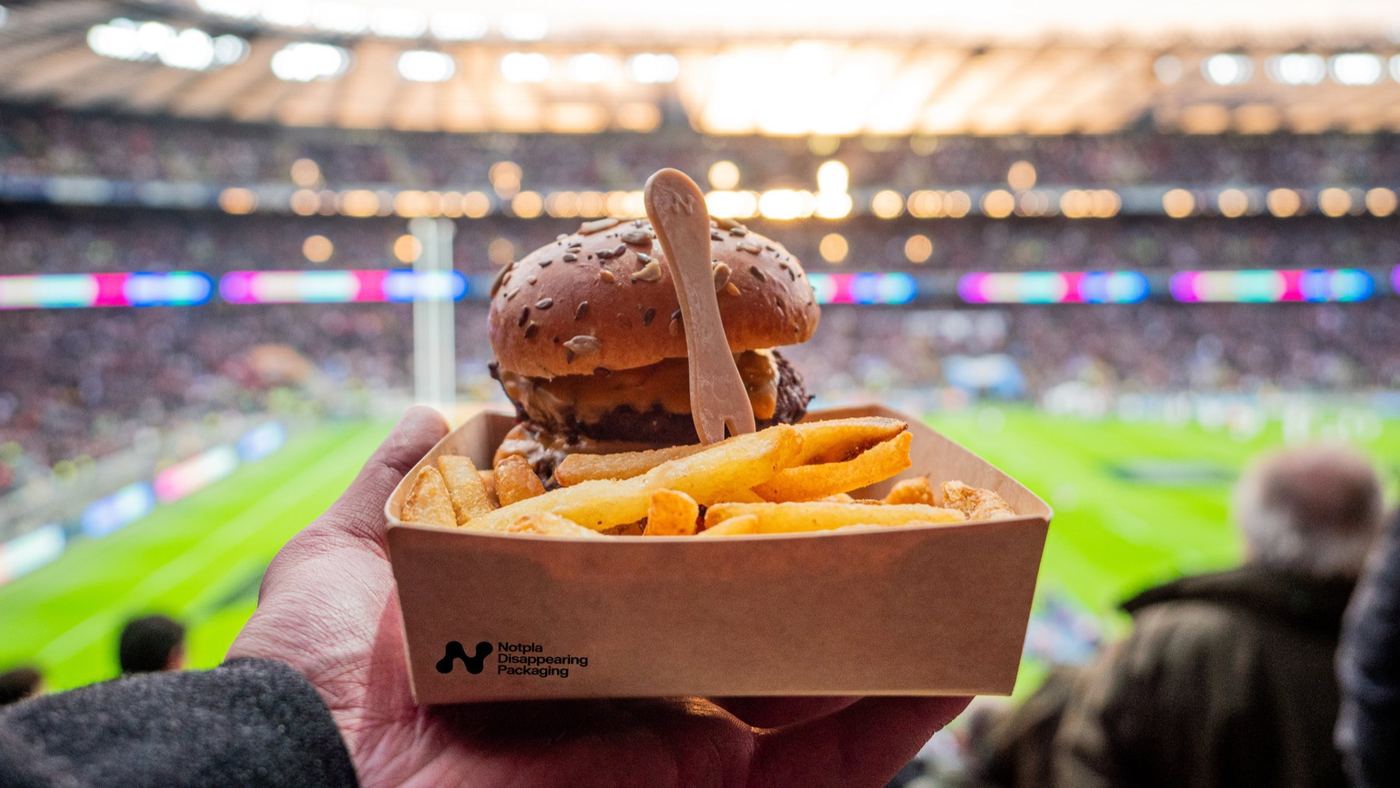
    A burger and chips in a Notpla coated tray at a stadium, with the Notpla mark on the tray
    The mark on pack, in a stadium
    One markThe on-pack lockup from the Notpla logo pack, used on the pack only.
    One promiseGuaranteed to disappear. Microplastic-free, PFAS-free, certified for any bin.
    Proof behind itEvery claim maps to a certification or an assessment.
    A brand with pull54
    65.5kLinkedIn followers
    152kInstagram followers
    90msocial impressions in the first half of 2026
    60mviews of Ooho at the London Marathon
    The Graham Norton Show
    BBC · The Earthshot Prize
    Wimbledon
    Earthshot Prize Week · Trialling the 1h cup
    London Climate Action Week
    Earthshot Prize 2022 · WinnerCannes Lions Grand Prix · DesignUK Packaging Awards 2022 · InnovationEllen MacArthur Foundation · New Plastics EconomyWIRED · Retail startup of the year

    Made at scale on industry-standard equipment

    Our capex-light model runs on existing converting lines, operated by skilled teams in the UK, Europe and the US.1

    1,000 tconverted in 2025
    3regions with manufacturing partners: UK, Europe and US

    Runs on the coating methods the industry already uses

    Our seaweed coating is applied on paper mills' standard coating lines, with no new machinery.1

    Traction03
    04 · Business model

    We scale through other people's factories

    Boxes bring early revenue and build brand demand. Coated board proves the coating on existing industrial lines. Paper mills then distribute it, so we grow at higher margins without building our own factories.1

    How we scale

    Model04
    05 · What's next

    Water barrier is next: the coffee cup

    About 500 billion disposable cups are used worldwide every year, roughly a million a minute. Around half are paper cups lined with plastic.17

    NO-PLASTI-CUPS. A €4m Horizon Europe project coordinated by Notpla, with 14 partners, running to 2028.18 Gen 1 was tested at The Earthshot Prize in Rio. Launch is planned for 2028.1

    Disposable cups used worldwide since you reached this section 0

      Cutaway: layers and particles enlarged, particle count illustrative. Drag to turn the cup.

      PriceTime 19072016Today2030 Parity PlasticNotpla EPR, oil pricesEconomies of scale

      Schematic, not to scale.

      Line of sight to price parity, and beyond

      • A clear line of sight to price parity with incumbent coatings.1
      • EPR fees push plastic-lined board up, so we can go well below it.10
      • Deliverable with gross margins of 50%+ at coatings level.1
      Notpla pellets with a moulded spoon
      Pellets Deep Dive Soon
      A dog carrying a moulded Notpla bone
      Materials portfolio

      Pellets

      • A plastic-free replacement for plastic pellets in injection moulding
      • Target markets: cutlery, pet toys and tampon applicators
      • Almost 1m units sold, to brands including Wimbledon and Blank Street Coffee
      • A £7bn market opportunity, on our estimate1
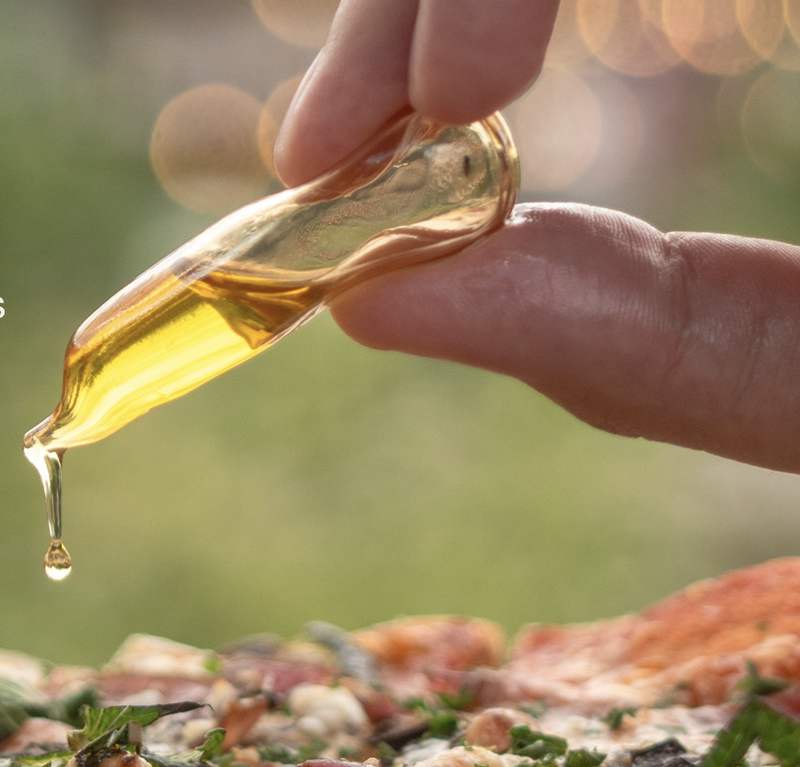
      Oil being poured from an opened Ooho capsule
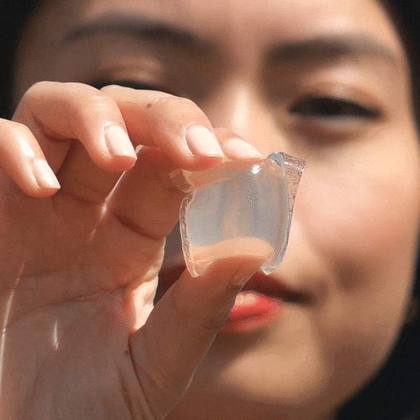
      A hand holding up a clear Ooho edible seaweed capsule
      Joint venture

      Edible packaging, scaled through a JV

      • Ooho is our hero product for storytelling and lead generation
      • Industrialised with machine maker Handtmann. Their ConProSachet line won a 2024 International FoodTec Award (Gold)19
      • An incoming partner will own operations while we take a profit share, keeping our time on the core business1
      What's next05
      06 · Team

      55 people in 12 teams

      Led by the two co-founders who started Notpla in 2014, with C-level leads for technology, revenue and innovation.133

      55 people · 12 teams

      The whole company

        Board · 5 votes
        Pierre PaslierRodrigo Garcia Gonzalez
        Pierre and RodrigoNotpla · 2 votes
        Roberta del RioRoberta del RioIndependent
        Gary NgGary NgHorizons Ventures
        David WalkerDavid WalkerUB FIGG
        Advisors
        Antoine Rouilly
        Antoine RouillyAssociate Professor, Toulouse INP. Chief Scientific Advisor
        Thomas Philipon
        Thomas Philipon15 years at DuPont, ex-CEO of a TotalEnergies venture
        Tomas Vucurevic
        Tomas VucurevicIngredient brand. Ex-Gore-Tex, BRAIND
        Dmitry Panfilov
        Dmitry PanfilovVP Stora Enso, SVP Sales MM Group
        Alexey Vishtal
        Alexey VishtalPaper coating expert. Capsul'In Pro, ex-MM Head of R&D
        Backed by
        Horizons VenturesSolina Chau and Li Ka Shing
        UB FIGGUnited Bankers, Forest Industry Green Growth fund
        Astanor VenturesImpact VC fund
        Lupa SystemsJames Murdoch
        Regeneration.vcImpact VC fund
        Schmidt Family FoundationEric and Wendy Schmidt
        C3H, Temasek TrustSingapore
        EITEU innovation fund
        Team07

        Let's make 10,000,000,000 single-use plastics disappear.

        Sources

        Forecasts and milestones are management estimates and may change.

        1. 1Notpla company data and management estimates, October 2026.
        2. 2OECD (2022). Global Plastics Outlook, press release of 22 February 2022. In 2019: 460 million tonnes of plastics produced (double 2000), 353 million tonnes of plastic waste, 40% of it from packaging and nearly two-thirds from items with lifetimes under five years, 6.1 million tonnes leaked into aquatic environments, and 1.8 Gt of greenhouse gas emissions, 3.4% of the global total, 90% from production and conversion. Only 9% of plastic waste was recycled. Rates per second and per minute are Notpla's division of the annual figures. oecd.org
        3. 3CIEL (2019). Plastic & Climate: The Hidden Costs of a Plastic Planet, executive summary. ciel.org
        4. 4PlastChem (2024). State of the science on plastic chemicals, Wagner et al. plastchem-project.org
        5. 5Leslie et al. (2022). Discovery and quantification of plastic particle pollution in human blood. Environment International 163. doi.org
        6. 6Ragusa et al. (2021). Plasticenta: first evidence of microplastics in human placenta. Environment International. pubmed
        7. 7Nihart et al. (2025). Nature Medicine. Cited for presence only: the paper carries a correction and a published Matters Arising on its quantification. nature.com
        8. 8Google Trends, "microplastics", worldwide, annual averages 2019 and 2025. trends.google.com
        9. 9NOAA National Ocean Service. A Guide to Plastic in the Ocean. oceanservice.noaa.gov
        10. 10GOV.UK, PackUK (Dec 2025). Year 2 illustrative waste disposal fees, extended producer responsibility for packaging. gov.uk
        11. 11GOV.UK, PackUK. EPR for packaging producer disposal fees, modulation statement. gov.uk Bagasse band: GOV.UK, RAM 2027 materials assessment guidance lists bagasse (moulded sugarcane fibre) under other materials, red by default, amber only with take-back evidence, never green. gov.uk
        12. 12Global Market Insights. Food service disposable market, US$73.2bn in 2024. gminsights.com
        13. 13Packaging Europe (2 Nov 2023). Dutch government names Notpla's seaweed-based packaging the first and only plastic-free material. packagingeurope.com
        14. 14The Earthshot Prize. Notpla, winner 2022, Build a Waste-Free World. earthshotprize.org
        15. 15Regulation (EU) 2025/40 on packaging and packaging waste (PPWR), Article 5. eur-lex.europa.eu
        16. 16Packaging Insights (12 Feb 2026). Notpla and Kwalitaria, plastic-free trays. packaginginsights.com
        17. 17UNEP, Life Cycle Initiative (2021). Single-use beverage cups and their alternatives. lifecycleinitiative.org
        18. 18CORDIS. NO-PLASTI-CUPS, Horizon Europe grant 101181970. cordis.europa.eu
        19. 19Anuga FoodTec magazine. Packaging made from alginate. anugafoodtec.com
        20. 20Natural Polymers Group. naturalpolymersgroup.com
        21. 21Renewable Carbon News (2023). Novel coalition Natural Polymers Group launched. renewable-carbon.eu
        22. 23Ranjan, Joseph and Goel (2021). Microplastics and other harmful substances released from disposable paper cups into hot water. Journal of Hazardous Materials 404, 124118. doi.org
        23. 22Google Patents. EP4110991B1, A packaging item, Notpla Ltd. patents.google.com
        24. 24European Commission. Plastics own resource, EUR 0.80 per kg of non-recycled plastic packaging waste since 1 January 2021. commission.europa.eu
        25. 25Directive (EU) 2019/904 on the reduction of the impact of certain plastic products on the environment (Single-Use Plastics Directive). eur-lex.europa.eu
        26. 26GOV.UK. Plastic Packaging Tax: steps to take, rate from 1 April 2026. gov.uk
        27. 27US International Trade Administration. Spain plastic packaging tax now in effect. trade.gov
        28. 28Packaging Law. Netherlands introduces new restrictions on disposable plastic cups and containers. packaginglaw.com
        29. 29Umweltbundesamt. Plastic manufacturers to pay into Single-Use Plastic Fund. umweltbundesamt.de
        30. 30Proskauer (2025). Seven states and counting: the 2025 guide to EPR packaging compliance. proskauer.com
        31. 31Ellen MacArthur Foundation. France's Anti-waste and Circular Economy Law. ellenmacarthurfoundation.org
        32. 32CIRS Group. EU PPWR: what packaging businesses need to do now. cirs-group.com
        33. 33Notpla organisation chart, live version read on 4 October 2026, first names and titles as shown on the chart. Headcount 55 in 12 teams, from the 1.1 Intro deck, November 2026 (management).
        34. 34PlasticTox Microplastics Blood Screen results, analysis by SV Biotech B.V. for PlasticTox (Arrow Lab Solutions). Pierre Paslier, sample PTXI•••••572: collected in London 24 November 2025, tested 7 December 2025, reported 16 December 2025. 2 particles in the assumed 100 µl sample (one under 10 µm, one of 10 to 30 µm, none of 30 to 70 µm), calculated concentration 20 per ml. Against all prior results: 3.26% of tests showed fewer particles, 23.51% fell in the same level (1 to 5), 73.23% showed more. A colleague's sample, collected and reported on the same dates: 20 particles, 200 per ml. 59.39% of tests showed fewer, 10.47% the same level (16 to 20), 30.13% more. The report states PlasticTox is not a diagnostic test. The body estimate multiplies by about 5 litres of adult blood.
        35. 35Reddy, S. (20 July 2026). I tested my blood for microplastics. I got a number but few answers. The Wall Street Journal. A PlasticTox result of 13 particles was higher than 53% of a reference population of 1,000+ samples, so the middle result is just under 13 particles per test, about 130 per ml on the same 100 µl basis. The article also notes concerns about contamination and the lack of reference ranges. tovima.com (syndicated)
        36. 36The Hidden Problem: a live discussion on microplastics, endocrine disrupting chemicals and human health. Hosted by Notpla, A Plastic Planet, Macaw and The Earthshot Prize, with The Conduit Club, London, 16 March 2026, to mark the release of The Plastic Detox on Netflix. Speaker titles as on the event invitation.
        37. 37PlasticTox by Arrow Lab Solutions, home microplastic blood and oral fluid test kits. Intended for information and research, not a diagnostic device. plastictox.com
        38. 38Schwabl, P. et al. (2019). Detection of various microplastics in human stool: a prospective case series. Annals of Internal Medicine 171(7), 453-457. 8 of 8 volunteers, median 20 particles per 10 g. doi.org
        39. 39Jenner, L.C. et al. (2022). Detection of microplastics in human lung tissue using µFTIR spectroscopy. Science of the Total Environment 831, 154907. 11 of 13 samples, 1.42 particles per gram (0.69 after background subtraction). doi.org
        40. 40Ragusa, A. et al. (2022). Raman microspectroscopy detection and characterisation of microplastics in human breastmilk. Polymers 14(13), 2700. 26 of 34 samples, pilot single-centre study. doi.org
        41. 41Marfella, R. et al. (2024). Microplastics and nanoplastics in atheromas and cardiovascular events. New England Journal of Medicine 390(10), 900-910. Polyethylene in carotid plaque of 150 of 257 patients. Composite of myocardial infarction, stroke or death from any cause: hazard ratio 4.53 (95% CI 2.00 to 10.27), mean follow-up 33.7 months. Observational. Correspondence in NEJM 390(18), 1726-1728. doi.org
        42. 42Garcia, M.A. et al. (2024). Quantitation and identification of microplastics accumulation in human placental specimens. Toxicological Sciences 199(1), 81-88. 62 of 62 placentas, mean 126.8 µg per gram. doi.org
        43. 43Hu, C.J. et al. (2024). Microplastic presence in dog and human testis. Toxicological Sciences 200(2), 235-240. 23 of 23 human testes, mean 328.44 µg per gram. A published comment by Uppu, Peijnenburg and Hays, funded by the American Chemistry Council, questions the method. doi.org
        44. 44Monclús, L. et al. (2025). Mapping the chemical complexity of plastics. Nature 643, 349-355. 16,325 known plastic chemicals: 4,219 of concern, 10,726 (66%) without official hazard classification, 980 (6%) regulated under the Basel, Stockholm and Minamata Conventions and the Montreal Protocol. doi.org
        45. 45Geueke, B. et al. (2025). Evidence for widespread human exposure to food contact chemicals. Journal of Exposure Science and Environmental Epidemiology 35(3), 330-341. Evidence of presence in humans for 3,601 of 14,402 known food contact chemicals. doi.org
        46. 46Rauert, C. et al. (2025). Environmental Science and Technology 59(4), 1984-1994. Argues that pyrolysis GC/MS is currently not suitable for measuring polyethylene and PVC in biological samples because of interferences. doi.org
        47. 47PlasticTox standard report, "Results explained" (sample report dated 19 August 2024). Levels by particles found per test: Low 1 (0 to 4), Low 2 (5 to 9), Medium 1 (10 to 14), Medium 2 (15 to 19), High 1 (20 to 24), High 2 (25 to 29), Very High (30+). Share of tests in each, read from its distribution chart: 29.6%, 14.8%, 7.4%, 18.5%, 14.8%, 11.1%, 3.7%. Every share is a multiple of 1/27, so the group was most likely 27 tests. The average result, about 13 particles, is the distribution's mean using bin mid-points (30+ taken as 32), consistent with source 35. Method: kit-based collection, then non-extractive manual and automated microscopy of dried blood, dyed and reconstituted. Not a diagnostic test.
        48. 48Levine, H. et al., with Swan, S. H. as senior author (2023). Temporal trends in sperm count: a systematic review and meta-regression analysis of samples collected globally in the 20th and 21st centuries. Human Reproduction Update 29(2), 157-176. 223 studies, 57,168 men, 53 countries: sperm concentration fell 51.6% between 1973 and 2018, and the yearly decline more than doubled after 2000. It updates the same team's 2017 analysis. Swan's post and dates from her own site and Wikipedia: Professor of Environmental Medicine and Public Health at the Icahn School of Medicine at Mount Sinai, April 2011 to August 2026. PhD in Statistics, University of California, Berkeley. doi.org
        49. 49Speaker credentials. Muncke: Food Packaging Forum staff page (MSc and PhD, ETH Zurich, founded the Forum in 2012), and Geueke, B. et al., with Muncke, J. as senior author (2024), Evidence for widespread human exposure to food contact chemicals, Journal of Exposure Science and Environmental Epidemiology: "For 25% of the known FCCs (3601), we found evidence for their presence in humans." Trasande: NYU Langone (Jim G. Hendrick, MD Professor of Pediatrics, director of the Division of Environmental Pediatrics), and Trasande, L. et al. (2024), Chemicals used in plastic materials: an estimate of the attributable disease burden and costs in the United States, Journal of the Endocrine Society: about $249bn in 2018, range $226bn to $289bn. Fowler: University of Aberdeen profile (Chair in Translational Medical Sciences, PhD in reproductive biology, Fellow of the Royal Society of Biology, Anne McLaren Distinguished Scientist award 2023, EFSA expert working group on BPA toxicology 2012 to 2014). Sutherland: co-founded A Plastic Planet in 2017 and PlasticFree. Ekoplaza opened the plastic-free aisle in Amsterdam on 28 February 2018 with A Plastic Planet. A Plastic Planet and the Plastic Soup Foundation launched the Plastic Health Council at the second round of UN plastics treaty talks (INC-2), 2023. foodpackagingforum.org ncbi.nlm.nih.gov abdn.ac.uk
        50. 50European Commission (DG ENV), follow-up to EESC opinion NAT/970, Nature-based biodegradable materials (EESC-2025-04330), September 2026: "'plastic' is defined as a material consisting of a polymer, with the exception of natural polymers that have not been chemically modified. Novel materials or 'nature-based biodegradable materials' are understood as a type of non-chemically modified natural polymers. Thus, these materials do not qualify as plastics under the SUPD and PPWR." And: "PPWR is designed to harbour such materials within its circularity framework and the Commission will ensure that implementation measures are developed, as appropriate, to ensure that they can scale up." The EESC opinion was adopted on 29 April 2026 (605th plenary session) with 211 votes in favour. eesc.europa.eu
        51. 51Notpla venue list, October 2026: 23 venues in the UK, the Netherlands and the US, and 6 in Germany. The German venues are serving Notpla as of 12 October 2026 (management).
        52. 52Notpla Coating technical data sheet (Notpla, 2026), with the test methods and certification schemes listed on the sheet. The CO₂e figure comes from an independent analysis by Foodsteps: Notpla boxes produce up to 79% less CO₂e than conventional plastic alternatives (Notpla Welcome Deck 26/27). Datasheets: Notpla Seaweed Coating FB14 and NT2P, issue date 2 June 2026, revision 003.
        53. 53REACH revision set aside: Commissioner Jessika Roswall to the European Parliament's ENVI committee, 27 April 2026, reported by Food Packaging Forum and C&EN. Microplastics restriction: Regulation (EU) 2023/2055 (REACH Annex XVII, entry 78), amended by Regulation (EU) 2026/1168, June 2026.
        54. 54Notpla's Instagram (152k followers) and LinkedIn (65,540 followers) profiles, 26 October 2026. Social impressions (first half of 2026) and London Marathon views from Notpla's Welcome Deck 26/27. Awards as listed by Notpla.
        55. 55Notpla sites map, October 2026: every site where food is served in Notpla, by category. Chains are counted by location, Kwalitaria (160) and Blank Street (90, UK and US) as the chains told us, more than the map holds, and HEMA by its 558 Dutch stores (HEMA annual report 2022). Defence and security sites are not listed. Ice Cream Union photo supplied by Notpla. Photos from Wikimedia Commons, by author and licence: Andrew Wiles Building, University of Oxford: David Hawgood, CC BY-SA 2.0; BBC Broadcasting House: Richard Cooke, CC BY-SA 2.0; Blank Street: Andy Li, CC0; Bloomberg London: The wub, CC BY-SA 4.0; Brighton College: Antiquary, CC BY-SA 4.0; Bristol City Hall: Captain Galaxy, CC BY 4.0; British Airways, Waterside: Matt Brown, CC BY 2.0; Cambridge Judge Business School: Colin Smith, CC BY-SA 2.0; Charterhouse School: Tim Sheerman-Chase, CC BY 4.0; Citi, Canary Wharf: mattbuck, CC BY-SA 4.0; DP World London Gateway: Christine Matthews, CC BY-SA 2.0; Eastwood Hall: Trevor Rickard, CC BY-SA 2.0; Financial Times, Bracken House: Katie Chan, CC BY-SA 3.0; Google, King's Cross: Fred Romero from Paris, France, CC BY 2.0; HEMA: Andre Engels, CC BY-SA 4.0; IKEA: David Anstiss, CC BY-SA 2.0; Imperial College London: Shadowssettle, CC BY-SA 4.0; Just Eat: Javier Perez Montes, CC BY-SA 4.0; Kwalitaria: Donald Trung Quoc Don, CC BY-SA 4.0; McLaren Technology Centre: Alistair Rickman, CC BY 2.0; Millfield School: Colin Smith, CC BY-SA 2.0; RHS Garden Wisley: Colin Smith, CC BY-SA 2.0; Rugby School: G-13114, CC BY-SA 4.0; Schwarzman Centre, University of Oxford: ResonantDistortion, CC BY-SA 4.0; Sky, Osterley Campus: Enbytv, CC BY 4.0; Stewart's Melville College: Kim Traynor, CC BY-SA 3.0; Tokio Marine Kiln: Diego Delso, CC BY-SA 4.0; Tonbridge School: Marathon, CC BY-SA 2.0; Uber Eats: shopblocks, CC BY 2.0; Westminster School: Anthony O'Neil, CC BY-SA 2.0. commons.wikimedia.org
        56. 56Moelis, Notpla Competitive Landscape, June 2026, for employees, funds raised and maturity. B'ZEOS, J&J Green Paper, Lamberti and Qwarzo from company and trade-press disclosures: Packaging Dive (J&J Green Paper), Packaging Europe (Qwarzo), Lamberti, bzeos.com. Positions on the map and the Notpla edge are our assessment.
        57. 57Aquarium of the Pacific, Giant kelp (Macrocystis pyrifera), online learning centre: a growth rate of about 60 centimetres (2 feet) a day in ideal conditions. aquariumofpacific.org
        58. 58FAO (2024). The State of World Fisheries and Aquaculture 2024, press release of 7 June 2024: 37.8 million tonnes of algae in 2022 (wet weight, farmed and wild). fao.org

        General Intro · v1.1 · 24 November 2026 · An introduction to Notpla